AI voice recorders · AI mini PCs · local AI
AI hardware, explained. Decisions made easier.
Testbench Lab covers AI voice recorders and AI mini PCs, with prices, subscription costs and evidence-labelled verdicts for every recommendation.
§01 — What we cover
Two categories, covered in depth
§02 — Reviews
Recorders and mini PCs, reviewed
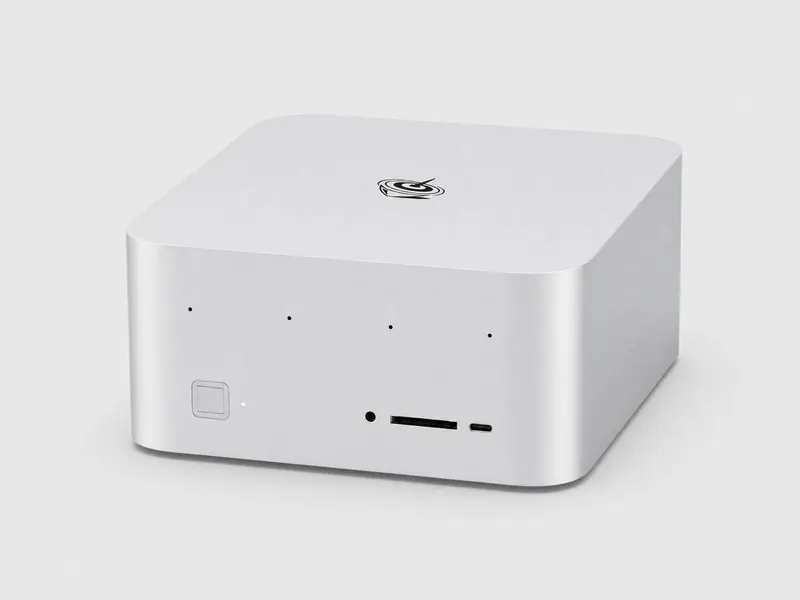
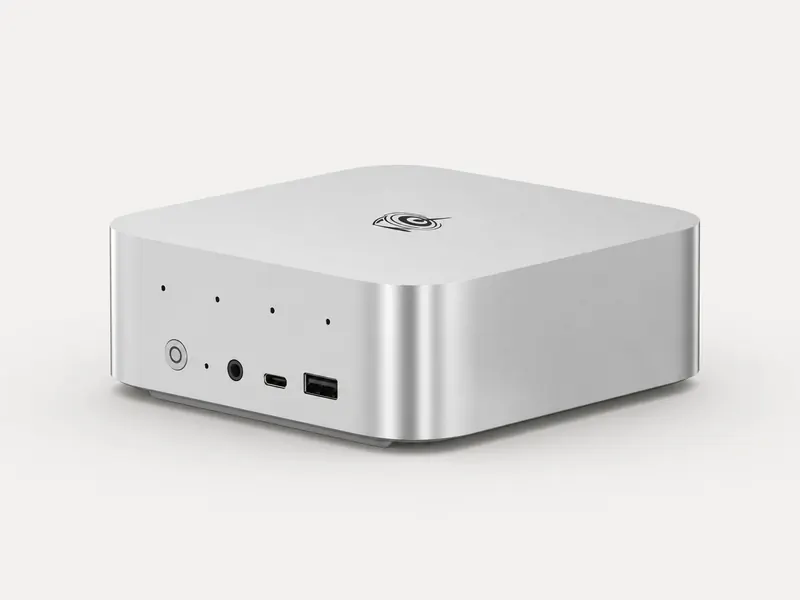
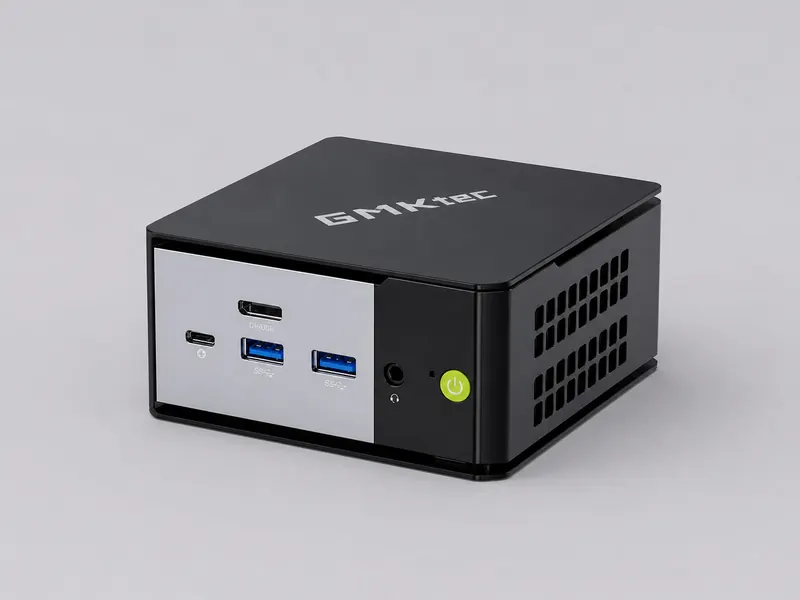
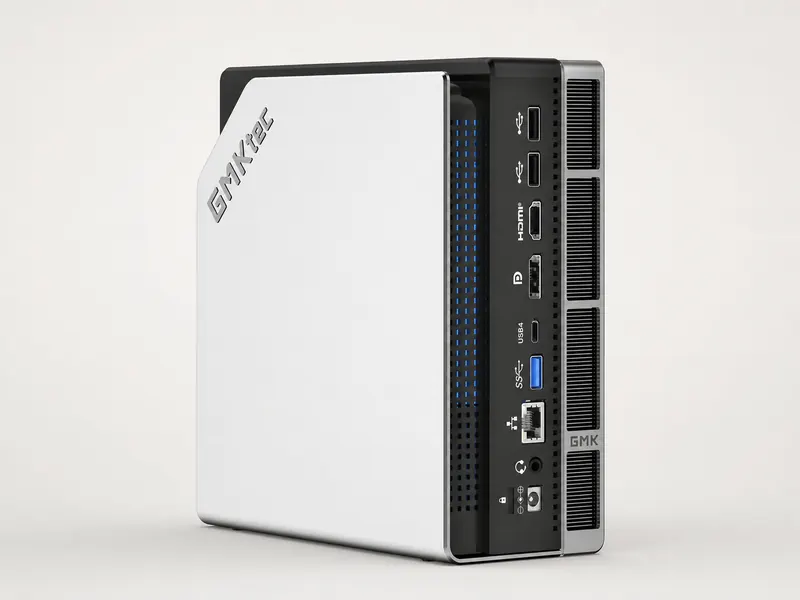
§03 — Head-to-head
Comparisons with a verdict
§04 — Best of
Buying guides
§05 — Guides
Learn it, then set it up
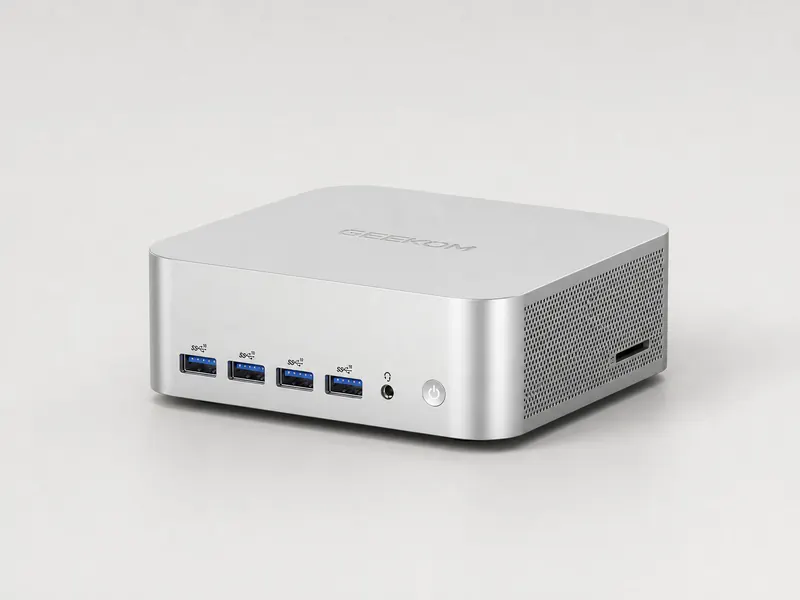
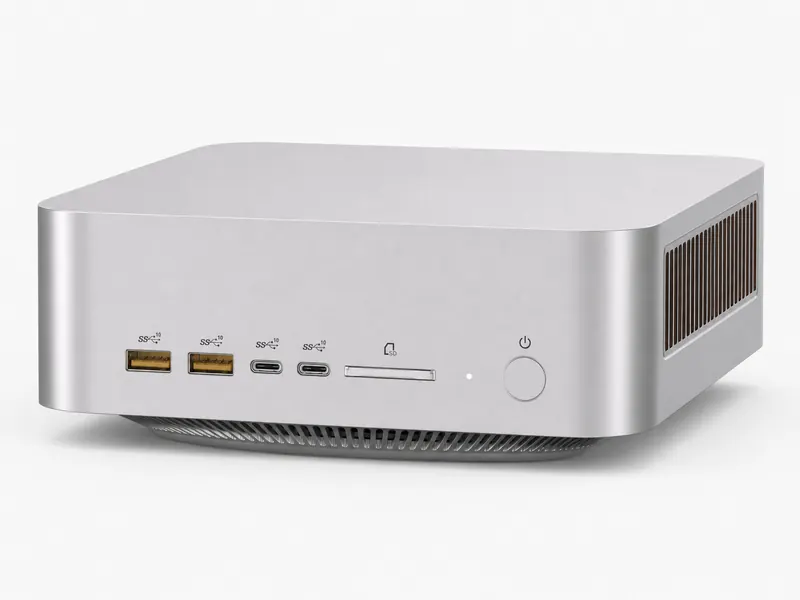
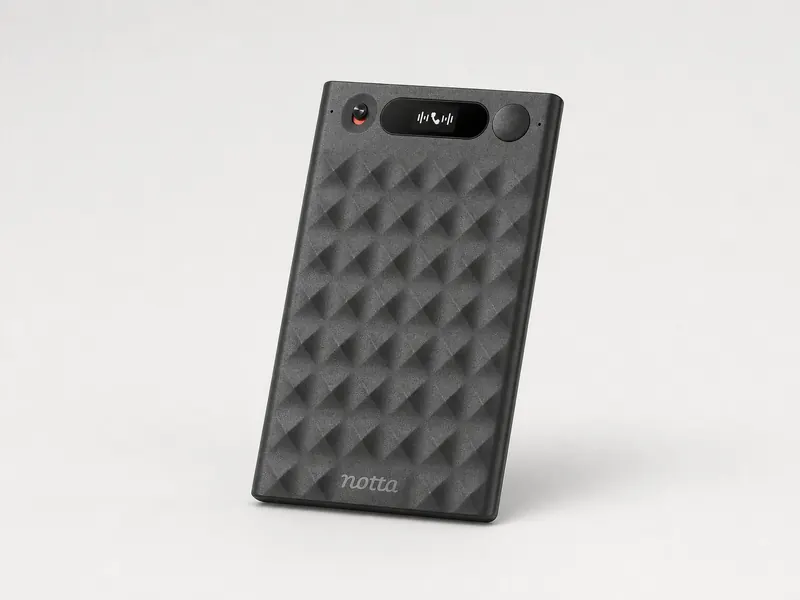
Testbench Lab writes about AI hardware: ai voice recorders that record and transcribe meetings and calls, and ai mini pc machines that run local AI models on a desk. Every page works out what a product can do, what it costs to keep using and which compromises matter before you buy. Our current preferred recorder is Notta Memo at $149, and our preferred mini PCs are the Geekom A9 Max from $1,499 for everyday desktop use and the Geekom A9 Mega at $3,799 for larger local models. US prices on this page were checked 2 October 2026.
What does Testbench Lab cover?
Testbench Lab covers two categories of AI hardware: AI voice recorders and AI mini PCs. That is a deliberate scope, not a limit of ambition — both are products where the purchase price is only part of the cost, and where the marketing numbers rarely answer the buyer's question.
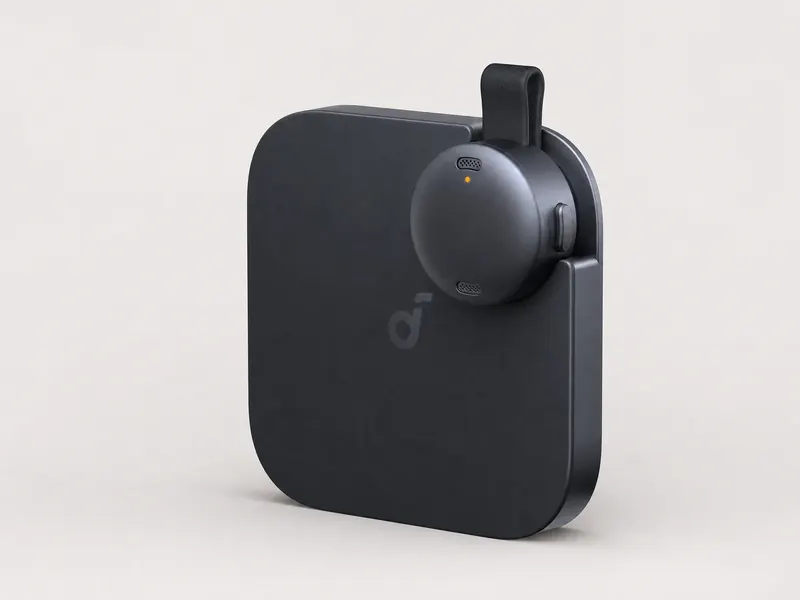
For recorders, we cover dedicated card recorders such as Notta Memo ($149) and Plaud Note Pro ($189), wearable pins such as the Plaud NotePin S ($179), and the transcription subscriptions that make them useful. For mini PCs, we cover compact machines built around AMD's Ryzen AI chips, from the GMKtec EVO-X1 at $1,149.99 to the Beelink GTR9 Pro at $4,349.
Each product has a review, each pair of likely rivals has a comparison, and each category has a buying guide: the best ai voice recorder roundup and the best mini pc for ai guide.
How does Testbench Lab approach AI voice recorders?
A good recorder should make conversations easier to revisit, and our recorder pages judge them on that job. We look at dedicated card recorders, wearable devices and their transcription services, with attention to monthly allowances and the difference between recording audio and processing it.
Subscription detail is where recorder buyers get caught out. A $149 device can cost $246.99 in its first year once a paid transcription plan is added, while another device includes enough free minutes that many owners never pay again. Our pages spell out who qualifies for each allowance, what the caps are, and what a year of ownership totals.
Our current preferred recorder is Notta Memo at $149, a verdict based on David Wilson's recorded experience with it and on manufacturer pages checked 2 October 2026. The full case for it, against the $189 Plaud Note Pro, is in our reference comparison: the Notta Memo comes out ahead on price, year-one subscription cost, phone calls, translation and online meetings, while Plaud Note Pro wins on advertised battery life, its 112 transcription languages and all five measured English accuracy scenarios. Start with the ai voice recorder category for the full field.
How does Testbench Lab approach AI mini PCs?
A compact computer can run a useful local assistant without a large tower, but an AI badge does not tell you which models will fit. Our mini PC pages put memory capacity and software compatibility before headline TOPS, because a big neural-engine number does not run a model that needs more RAM than the machine has.
Our preferred options are the Geekom A9 Max, from $1,499, for an everyday desktop, and the Geekom A9 Mega, at $3,799, for larger local models. Both are researched picks from manufacturer specifications and published sources, not from timed lab benchmarks; the test protocol for mini PCs is set out in the testbench lab methodology.
The ai mini pc category lists every machine we cover, and the best mini pc for ai guide ranks them by budget and use case.
Where should you start on the site?
Start with the question you need answered. Compare two devices if your shortlist is already small: our comparisons, such as Notta Memo vs Plaud Note Pro, decide each round on price, features and evidence, and name a winner or a tie for every round. Use the buying guides to identify the right product tier if you are earlier in the decision. Follow a setup guide when you already own the hardware.
Every recommendation should help you take a concrete next step, whether that is choosing a recorder, checking a subscription allowance or downloading your first local model. If you want the short version of any page, read the answer block at the top: it names our pick, its price, and who should buy the alternative instead.
How does Testbench Lab label its evidence?
Testbench Lab labels hands-on opinions, manufacturer specifications, third-party reviews and test-centre data separately, and so does this site's methodology. A published specification is useful for choosing a configuration; it is not a substitute for a measured result under matching conditions.
In practice that means every judgement on our pages says what it rests on. Advertised battery life is called advertised. A reviewer's accuracy impression is credited to that reviewer, with the date. Where a supplier has shared test results with us, the page names the test, its date and its conditions, and never calls the figures independent. The full rules are in the testbench lab methodology.
Prices change, so every price carries the date it was checked. US prices on this page were checked 2 October 2026 without discount codes; re-check the store link before you buy.